Riley Lange · 2 September 2026
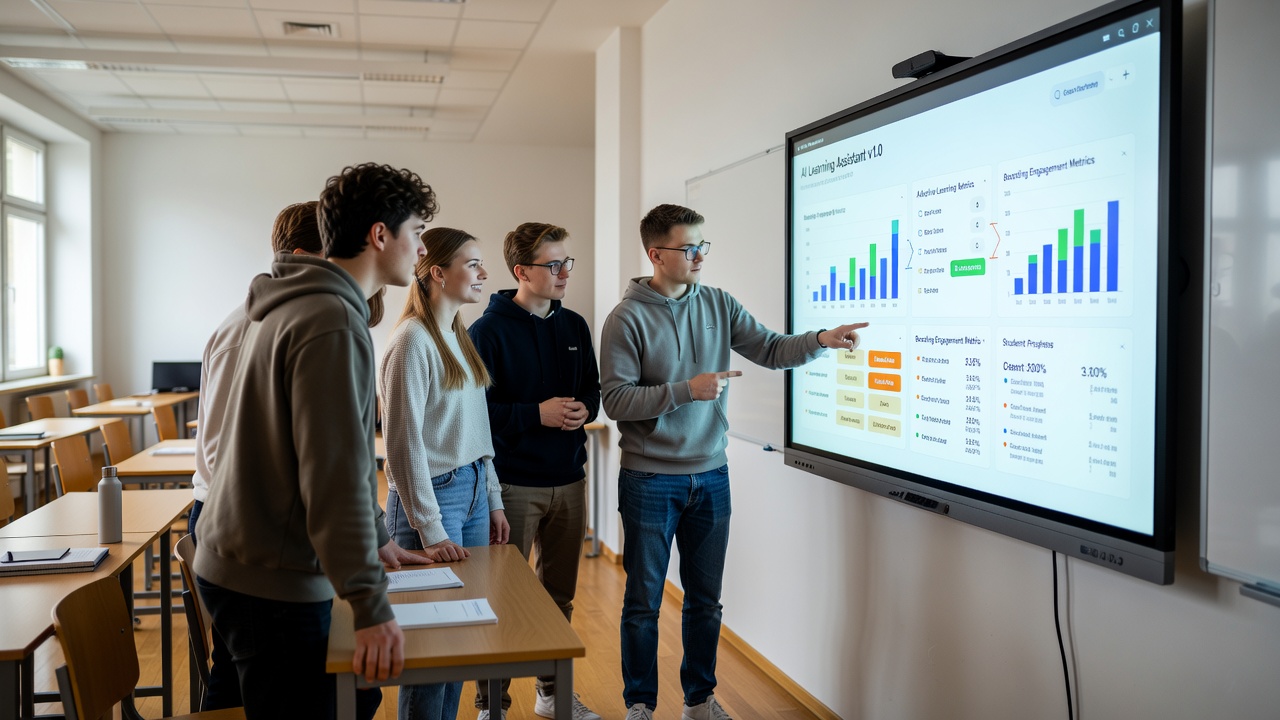
Students from Polish technical universities have developed an artificial intelligence application intended to support teachers in daily classroom management and personalized instruction. The project addresses common issues such as varying student engagement levels and the need for immediate instructional adjustments. Early testing occurred in secondary schools in Warsaw and Krakow with positive preliminary results.
The application named EduAdapt processes anonymized video and audio inputs to detect attention patterns and suggest interventions. Machine learning models were trained on diverse educational datasets while strict privacy protocols ensure no personal information is retained. Developers focused on ethical guidelines throughout the process to prevent algorithmic bias.
Development and Testing Phases
A team of eight undergraduates from computer science and education faculties collaborated for eighteen months. They partnered with ten schools to gather feedback and iterate on the interface. The system integrates with standard learning management platforms and requires minimal technical setup. Trials demonstrated a measurable rise in student participation metrics and reduced teacher workload during active lessons. Additional features include automated report generation for parent meetings and curriculum alignment checks based on national standards.
Hardware requirements remain modest allowing deployment on existing school computers or tablets. Open source components form the core to facilitate community contributions and transparency. The students documented their methodology in academic papers presented at regional conferences.
Broader Educational Impact
Education specialists note that tools like this align with Poland's digital transformation strategy in schools. Widespread adoption could help bridge gaps in rural versus urban learning resources. The creators intend to expand language support and add modules for special needs education. Long term plans involve scaling through partnerships with regional authorities and monitoring sustained effects on academic performance. This student led effort illustrates growing interest in practical artificial intelligence applications within the Polish education sector.