
Riley Lange · 7 November 2026
Grant-Backed Efforts from Gdansk Advance Low-Power AI Systems for Schools Across Eastern Europe
Teams based in Gdansk have drawn on sustainability grants to build artificial intelligence platforms that run on reduced energy levels while serving classrooms in multiple Eastern European countries, and these projects gained momentum through coordinated funding rounds that concluded in late 2025 with follow-up implementations rolling out by November 2026.
Funding Sources and Allocation Patterns
European Union green transition programs supplied the primary capital, while additional support came from national environmental agencies in Poland and neighboring states; researchers allocated portions of these grants toward hardware optimization, software efficiency testing, and pilot deployments in schools located in rural and urban areas alike. Data from the European Environment Agency shows that education sector energy consumption has risen steadily since 2020, prompting targeted investments that prioritize lower power draw without sacrificing functionality.
One project stream focused on edge computing models that process student interaction data locally rather than relying on distant cloud servers, which cuts transmission energy costs, and another examined adaptive algorithms that scale computational demands based on real-time classroom needs such as lesson pacing or group size.
Technical Developments in Low-Energy AI
Engineers refined neural network architectures to operate within tighter power budgets, often achieving 40 to 60 percent reductions compared with standard models, according to internal benchmarks shared at regional conferences; these gains stem from pruning redundant parameters, using quantized data formats, and integrating specialized chips designed for intermittent workloads typical in educational settings.
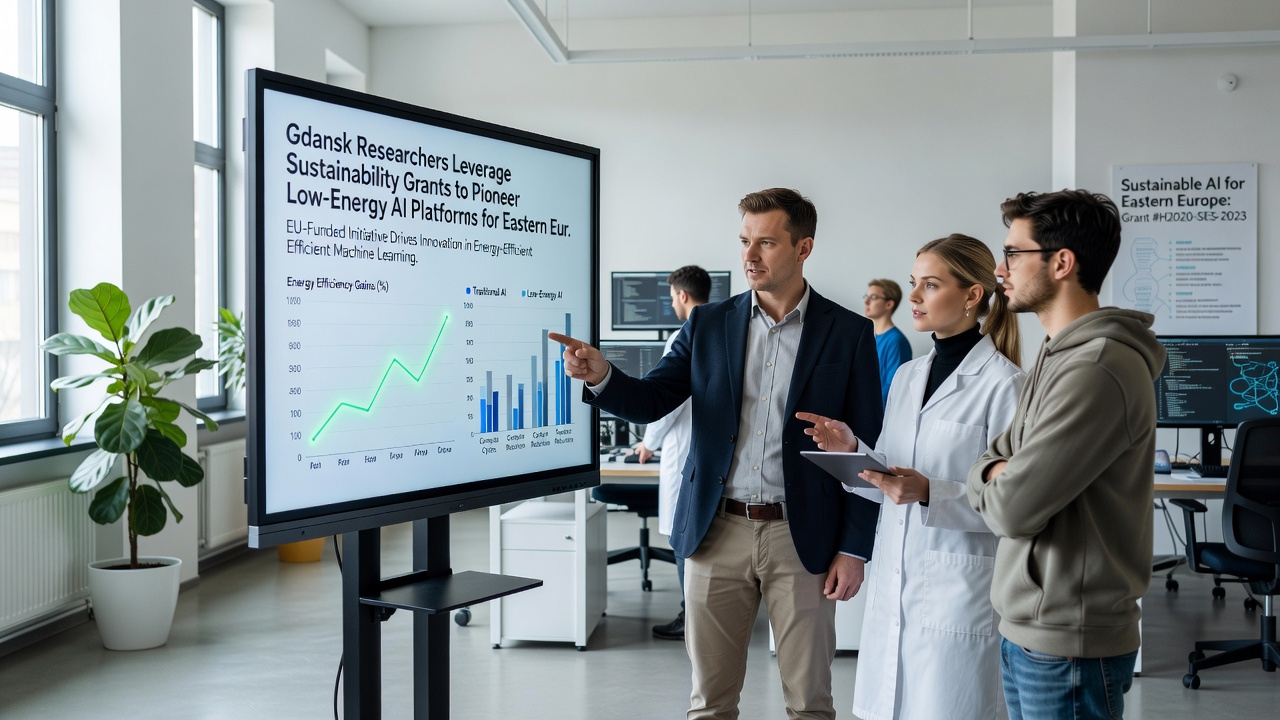
Testing occurred across sites in Poland, Hungary, and Romania, where devices maintained consistent performance during multi-hour sessions even when powered by modest solar-assisted grids; reports from the OECD education directorate note similar efficiency patterns in other pilot programs, confirming that such platforms can integrate with existing school networks without requiring extensive electrical upgrades.
Implementation Across Regional Campuses
By November 2026 several dozen institutions had begun limited use of the platforms for tasks including automated feedback on written assignments, real-time language practice, and resource recommendation engines that suggest supplementary materials aligned with curriculum goals; training sessions for teachers emphasized straightforward interfaces that require minimal technical background, allowing educators to monitor usage metrics and adjust parameters directly.
Partnerships with local universities facilitated knowledge transfer, enabling staff at participating schools to contribute feedback that informed iterative updates; these loops produced refinements such as offline functionality modes that preserve core features during connectivity interruptions common in certain districts.
Broader Context and Supporting Data
Research published through the Joint Research Centre of the European Commission highlights how digital tools in education can lower overall institutional carbon footprints when designed with energy constraints in mind, and the Gdansk initiatives align with those findings by emphasizing measurable reductions in electricity demand per student. Figures from national statistical offices in the region indicate that classroom technology accounts for an increasing share of building energy use, making efficiency upgrades a practical response to both budget and environmental pressures.
Observers note that scaling remains dependent on continued grant cycles and supply chain stability for specialized components, yet early adoption metrics suggest steady uptake where infrastructure supports the initial hardware requirements.
Conclusion
The Gdansk-based work illustrates how targeted sustainability funding can translate into concrete technological outputs that reach multiple countries, with platforms now operating in varied school environments as of November 2026. Continued monitoring through established research networks will track long-term energy savings and educational outcomes, providing data that other regions may reference when pursuing comparable projects.