Ines Friedrich · 12 September 2026
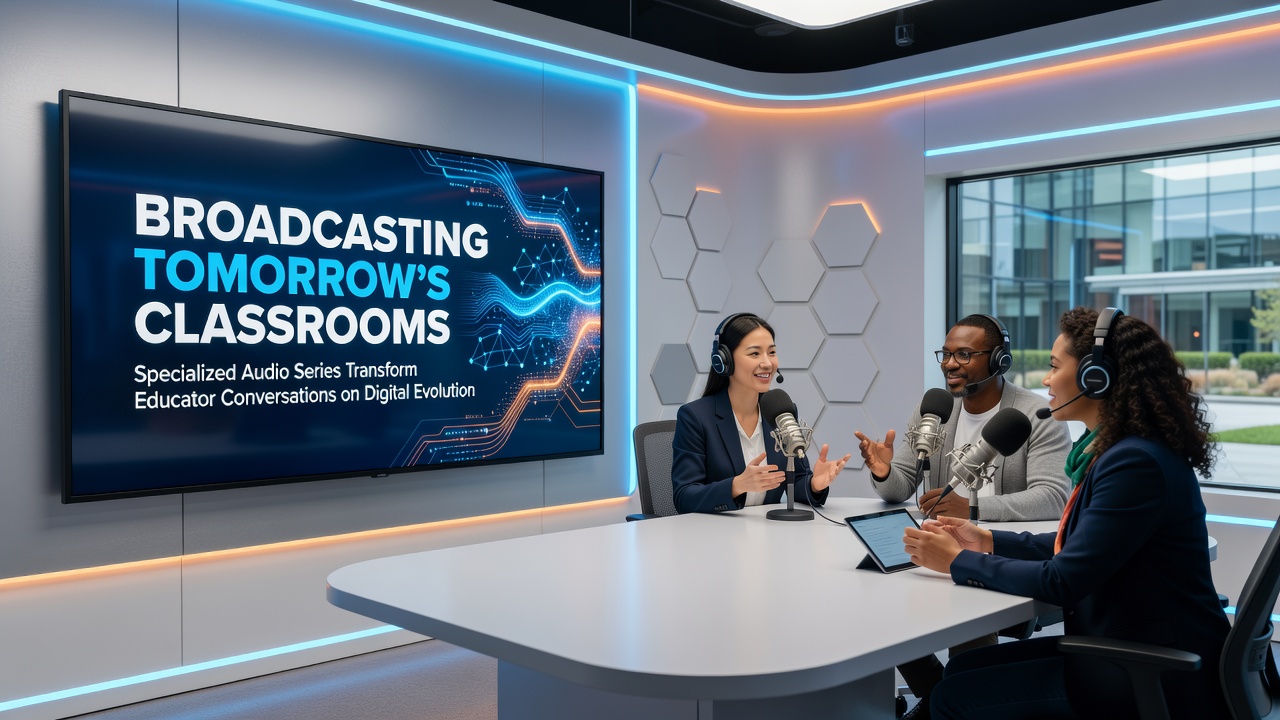
Broadcasting Tomorrow's Classrooms: Specialized Audio Series Transform Educator Conversations on Digital Evolution
Specialized audio series have emerged as key platforms where educators exchange insights on digital evolution in schools and universities, and these programs combine expert interviews with practical case examples to address technology integration challenges. Data from education technology reports show rising participation rates among teachers and administrators who tune in regularly to explore topics such as artificial intelligence applications, virtual learning environments, and data privacy protocols, while production teams schedule episodes around real-time developments in classroom hardware and software.
One notable series launched in early 2025 features monthly discussions that break down complex digital tools into actionable strategies, and listeners report accessing episodes through multiple platforms including mobile apps and institutional intranets. Research indicates that audio formats allow busy professionals to absorb information during commutes or preparation periods, which expands reach beyond traditional conference settings or written publications.
Format and Content Structure of the Series
Each episode typically opens with a brief overview of current digital trends followed by segments that include guest educators sharing implementation stories, and producers incorporate listener questions submitted via online forms to guide follow-up conversations. This structure keeps content relevant while covering areas like adaptive learning platforms, cybersecurity measures for student data, and hybrid teaching models that blend in-person and remote instruction. Figures from industry analyses reveal that episodes lasting between 25 and 40 minutes maintain higher completion rates among education professionals compared with longer formats.
September 2026 marks the scheduled release of a special three-part miniseries focused on emerging standards for digital assessment tools, adn organizers have coordinated with regional education networks to distribute preview materials ahead of the launch. Transcripts accompany every release so that participants can reference specific recommendations during staff meetings or professional development sessions.
Impact on Educator Networks and Knowledge Sharing
Audio series facilitate connections across geographic boundaries because educators in rural districts gain exposure to urban district innovations without travel costs, and archived episodes create searchable libraries that support ongoing reference needs. Observers note increased collaboration on joint projects after listeners connect through associated online forums, where participants discuss adaptations of featured strategies to local contexts. According to a report from the U.S. Department of Education, audio-based professional learning correlates with higher rates of technology adoption in participating schools.
Case examples featured in recent episodes highlight schools that integrated specialized audio recommendations into their digital transition plans, resulting in documented improvements in student engagement metrics tracked through internal dashboards. Producers maintain editorial independence by selecting guests based on demonstrated expertise rather than institutional affiliation, which preserves balanced coverage of both benefits and limitations associated with new tools.
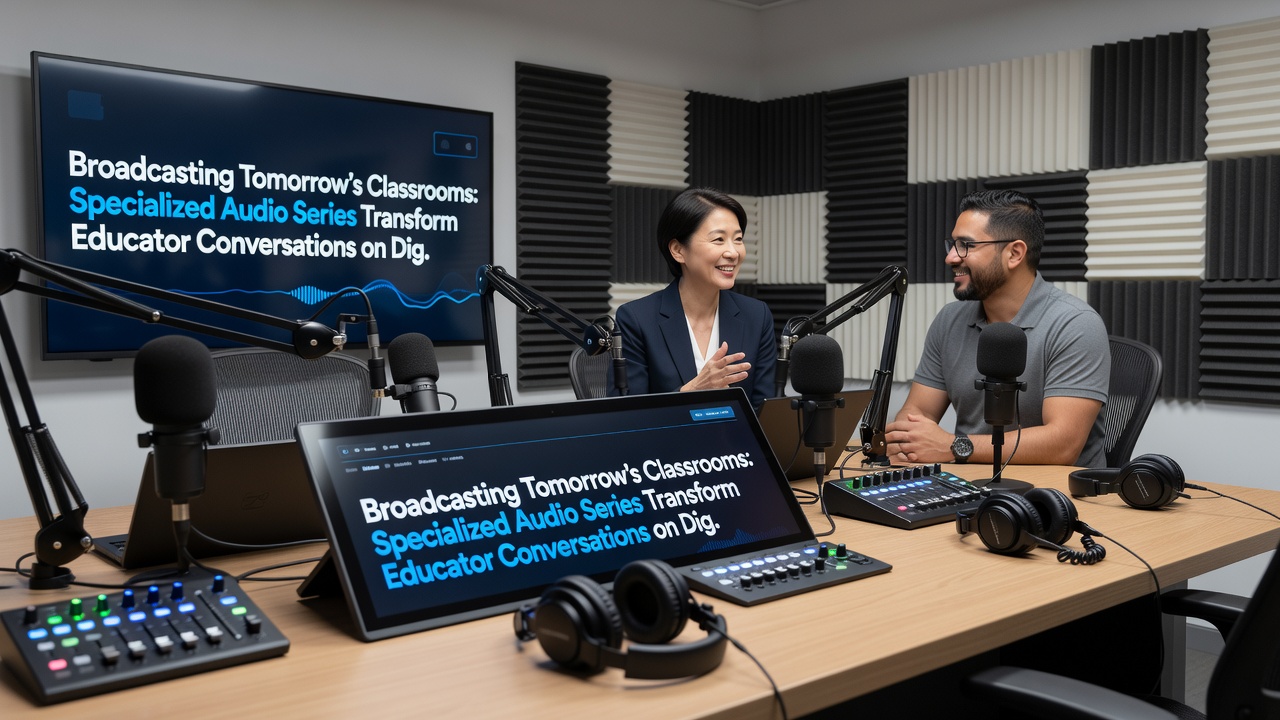
Production teams employ sound design elements such as subtle background tracks and clear segment transitions to enhance listenability, and these choices reflect feedback collected through post-episode surveys. Data shows that series incorporating multilingual subtitles or dubbed segments reach broader audiences in regions with diverse language needs, expanding the conversation on digital evolution to include international perspectives from education systems in Europe and Asia.
Partnerships with academic institutions provide access to peer-reviewed studies that ground episode content in evidence, and researchers contribute summaries of findings on topics including the effectiveness of gamified learning applications. This integration of research ensures that discussions move beyond surface-level trends toward sustained analysis of long-term outcomes for students and staff.
Challenges Addressed Through Audio Discussions
Educators frequently cite infrastructure gaps and training shortages as barriers to digital adoption, and audio series dedicate dedicated segments to these issues by featuring administrators who have navigated similar obstacles. Solutions discussed range from grant application processes to peer mentoring programs that build internal capacity, and listeners gain concrete steps they can adapt to their settings. Evidence from Canadian education ministry publications indicates that such targeted audio resources reduce the time required for staff to implement new digital policies.
Privacy regulations and ethical considerations surrounding student data receive consistent attention across episodes, with legal experts explaining compliance requirements in accessible language. These segments help schools align technology use with frameworks established by bodies such as the European Commission's education directorate, fostering consistent practices across borders.
Future Directions and Expansion Plans
Upcoming seasons plan to incorporate listener-submitted audio clips that showcase classroom experiments with digital tools, creating a participatory element that strengthens community ties among subscribers. Organizers aim to release companion discussion guides that schools can use for group listening sessions followed by action planning, and preliminary trials of this format have shown promise in pilot districts. Growth projections based on current download statistics suggest continued expansion into additional languages and regional adaptations through 2027.
Technical advancements in audio production, including improved noise reduction and interactive elements, stand to further refine the listening experience and support deeper engagement with complex topics. These developments align with broader trends in professional development where on-demand audio resources complement in-person training opportunities.
Conclusion
Specialized audio series continue to reshape how educators approach digital evolution by delivering timely, accessible content that bridges theory and practice across diverse settings. Through structured episodes, research integration, and responsive topic selection, these programs support informed decision-making that advances classroom technology use while addressing practical constraints. Continued investment in production quality and audience engagement tools positions audio formats as enduring components of professional learning ecosystems worldwide.